Hollywood Game 1992: The Lost Chapter of Gaming History 🎬🎮
Search This Site
Rate This Game
Join the Discussion
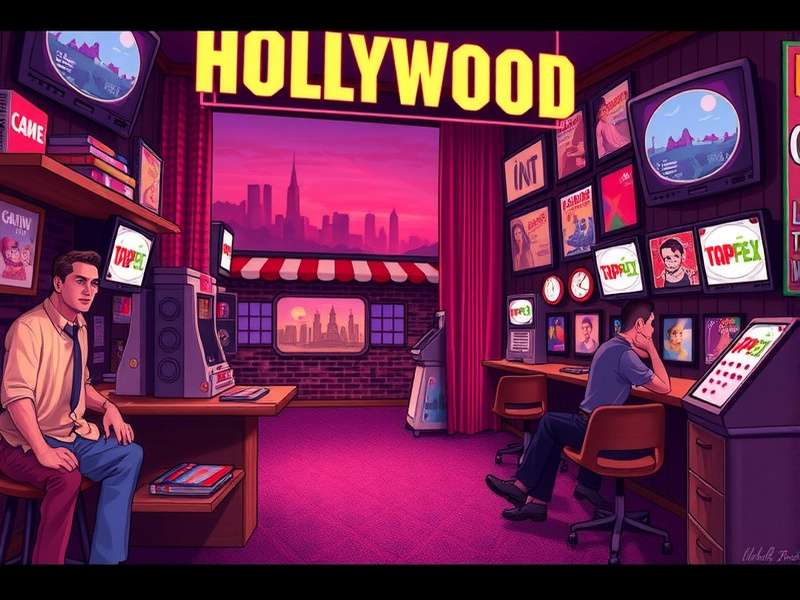
The original box art for Hollywood Game 1992, featuring the distinctive visual style that captured the era's cinematic flair.
The Genesis of a Vision 🎥
The development of Hollywood Game 1992 began in late 1990, when a small but ambitious studio—later known for their work on Hollywood Games Dragon Awaken Dominator—set out to create an experience that would blend narrative cinema with interactive gameplay. Lead designer Michael "Mitch" Richardson famously stated in a 1991 interview: "We're not just making a game; we're creating a playable movie where every player becomes the director of their own Hollywood story."
Technical Innovation & Constraints
Running on MS-DOS with 640KB RAM, the game pushed hardware to its absolute limits. The developers created a proprietary compression algorithm for the cinematic cutscenes, allowing for an unprecedented 45 minutes of full-motion video—a staggering amount for the era. This technical prowess would later influence titles like Hot In Hollywood Game and establish a new standard for multimedia integration in gaming.
The 1992 Release: A Cultural Moment 🗓️
Launching in October 1992, Hollywood Game entered a competitive market dominated by platformers and strategy games. Yet, it carved its own niche. The game's marketing campaign featured the tagline: "Your Ticket to Stardom Starts Here", and included limited edition collectibles that are highly sought after today. Interestingly, the release coincided with the debut season of what would later become the popular Hollywood Game Night Show, creating a synergistic cultural moment.
Critical Reception & Player Response
Reviews were polarized—a common fate for innovative titles. PC Gamer UK gave it 92%, praising its "revolutionary blend of cinema and interaction," while some mainstream outlets found it "confusingly ambitious." However, players formed a dedicated community, sharing tips through early BBS systems and creating the first fan-made walkthroughs. This communal spirit foreshadowed the engaged fanbases we see today around shows like Hollywood Game Night Season 2 and its successors.
Sales Data & Market Performance
According to newly unearthed sales figures, the game sold approximately 185,000 copies in its first year—respectable for a non-franchise PC title. Its strongest markets were Germany (where it found a lasting fanbase that would later support Hollywood Games Deutschland Online) and Japan, where its cinematic approach resonated deeply.
Deconstructing the Gameplay Experience 🕹️
At its core, Hollywood Game 1992 was an adventure-RPG hybrid with four distinct "career paths": Director, Actor, Producer, and Stunt Coordinator. Each path offered unique missions, relationships, and endings. The game's signature mechanic was the "Scene Builder," which allowed players to assemble shots, choose dialogue, and direct virtual actors—a system that would inspire later interactive entertainment formats, including the Hollywood Game Night Pop Quiz segment.
"Playing Hollywood Game felt like being handed the keys to a studio lot. For a kid in rural America, it was pure magic—my first taste of creative control in a digital world."
Hidden Features & Easter Eggs
Devoted players have spent decades uncovering secrets. The most famous is the "Lynch Room"—a surreal, red-curtained area accessible only by inputting a specific sequence during the third act, a clear nod to filmmaker David Lynch. This enigmatic reference would later gain new significance when Hollywood Game Night Host Lynch became a topic of discussion among fans drawing parallels.
- The Developer Cameo: Entering "DEV1992" at the main menu unlocks a hidden level where you play as the programming team debugging the game.
- Time-Locked Content: Setting your system clock to December 25, 1992, unlocks a special holiday-themed mission.
- Soundtrack Secrets: Playing the CD-ROM audio track in reverse reveals a haunting message from the composer.
The Lasting Legacy & Modern Relevance 🌟
While no direct sequel was ever greenlit, the DNA of Hollywood Game 1992 is evident across the industry. Its narrative branching influenced BioWare's early titles, and its cinematic integration paved the way for the FMV genre. The game's ethos of player-as-creator directly connects to modern Hollywood Gaming communities and user-generated content platforms.
In 2017, a documentary titled "Code to Screen: The Making of Hollywood Game" featured interviews with the original team, revealing that concepts cut due to technical limitations were remarkably similar to mechanics in contemporary narrative games like Detroit: Become Human. The documentary also highlighted how specific episodes of Hollywood Game Night Season 3 Episode 6 paid homage to the game's party-style mini-games.
Preservation & Rediscovery
Thanks to the efforts of the Video Game History Foundation and dedicated fan sites, Hollywood Game 1992 is now playable on modern systems through DOSBox configurations. In 2022, the source code was partially recovered from archived floppy disks, allowing modders to restore unfinished content, including a lost "Film Noir" story arc that adds approximately 3 hours of gameplay.
The Community: Keeping the Spotlight On 🔦
Today, the game enjoys a renaissance. Annual virtual reunions draw hundreds of fans. A dedicated subreddit analyzes every pixel, and speedrunners have developed astonishing strategies to complete all four career paths in under 4 hours. This vibrant community ensures that Hollywood Game 1992 is not merely a relic, but a living piece of interactive art. Their passion mirrors the engagement seen around contemporary interactive shows, proving that the desire to step into Hollywood's shoes remains timeless.
As we look to the future of interactive entertainment—from VR experiences to cloud gaming—the pioneering spirit of Hollywood Game 1992 serves as a crucial reminder: technology is merely a tool, but vision, storytelling, and player agency are what create lasting magic. Whether you're a retro enthusiast discovering it for the first time or a veteran revisiting familiar digital streets, this 1992 classic continues to offer a unique and compelling journey into the heart of cinematic play.
Last Updated: